
Written by Rod and Belinda
Travelling with Hamish has provided some minor challenges in regards to getting the right balance between sightseeing and child meltdown, but we are getting a bit better at planning activities that are suitable for the three of us. So what is required for Hamish to last the day without a monumental breakdown? Not too much walking, preferably outdoors, not too many rules (city centres are difficult) and a regular food intake. Bribes don’t work, reasoning is out the window.
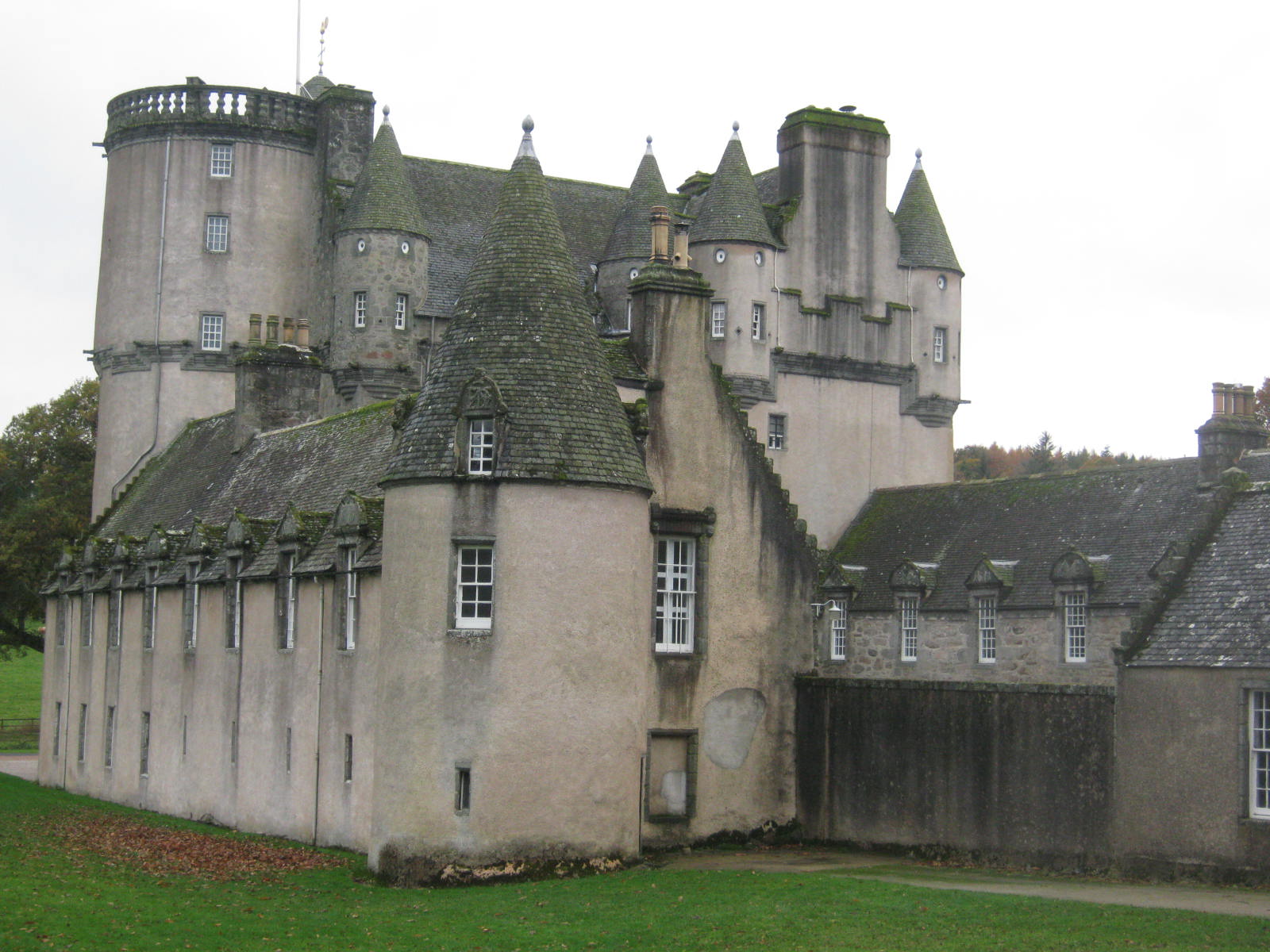
Wednesday evening we mapped out a bit of a driving tour incorporating a number of castles. This way we could drive, get out, look at a castle, Hamish could run around the grounds and we’d pack a picnic for the car. Hamish’s job for the day was to work out if the castle was a ruin, or if someone lived in it, was it old or really old.
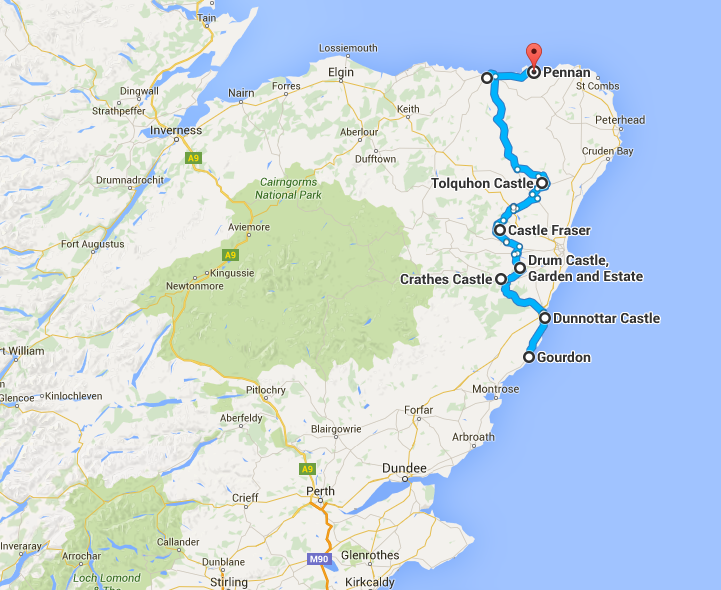
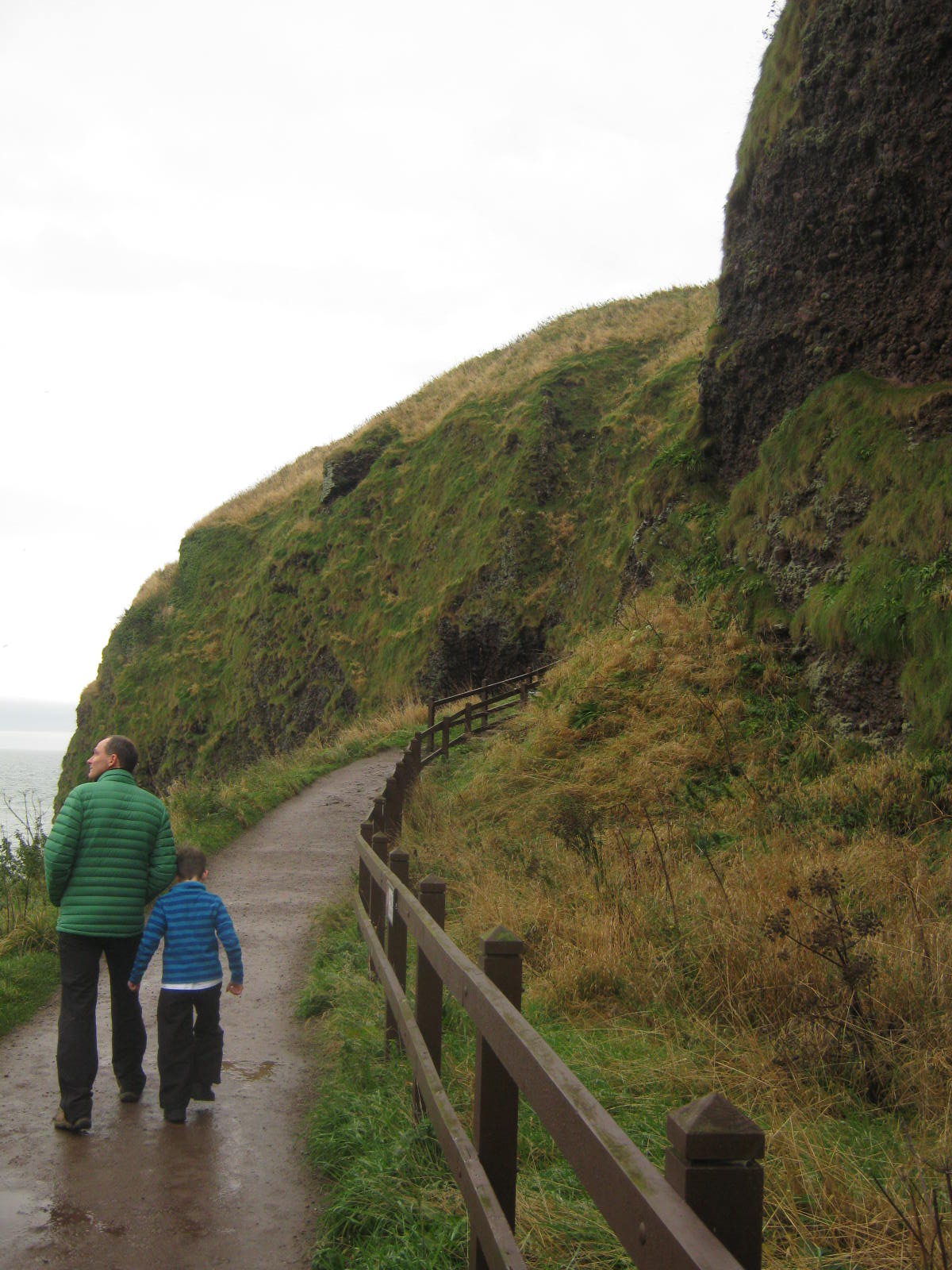
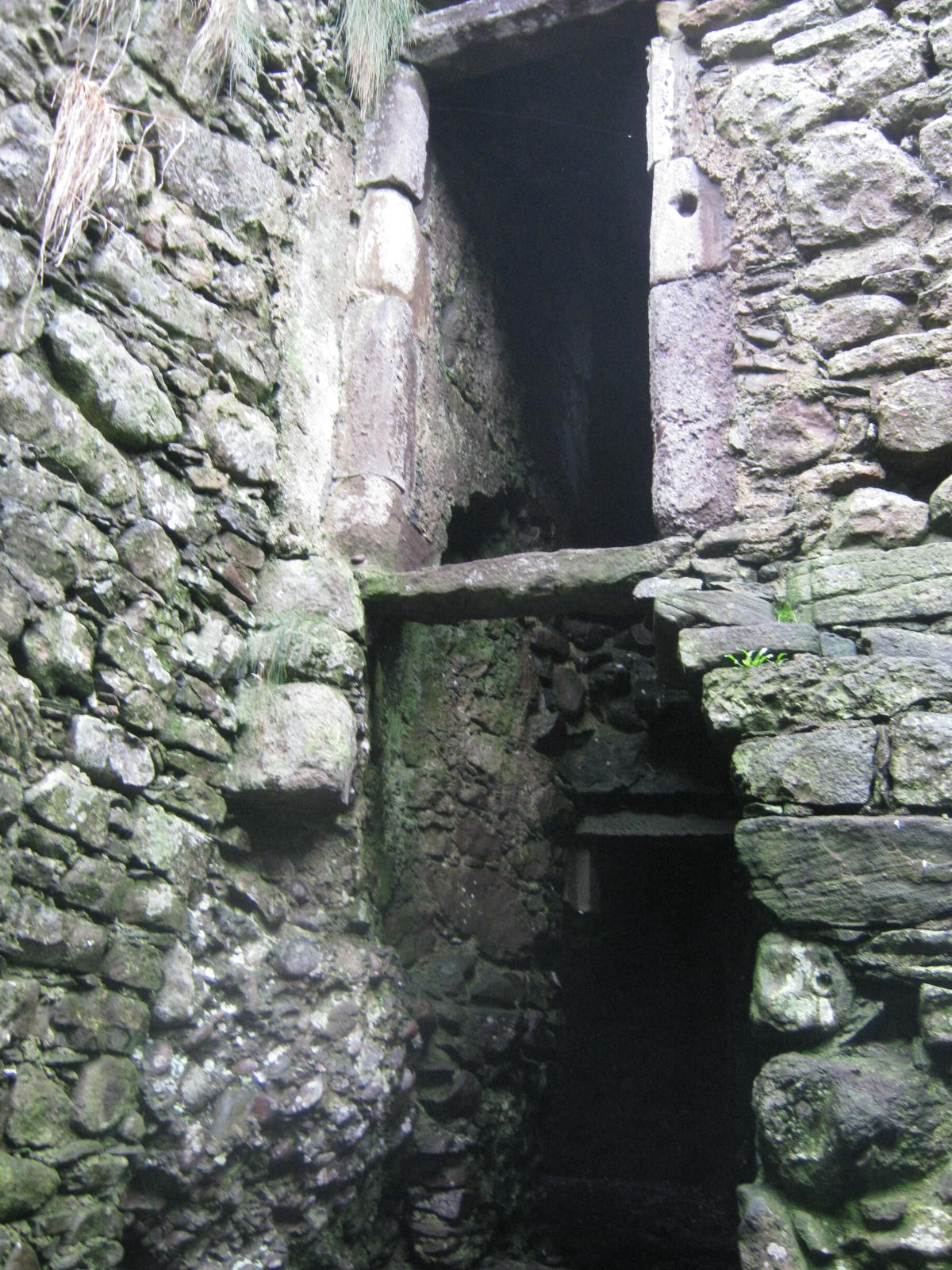
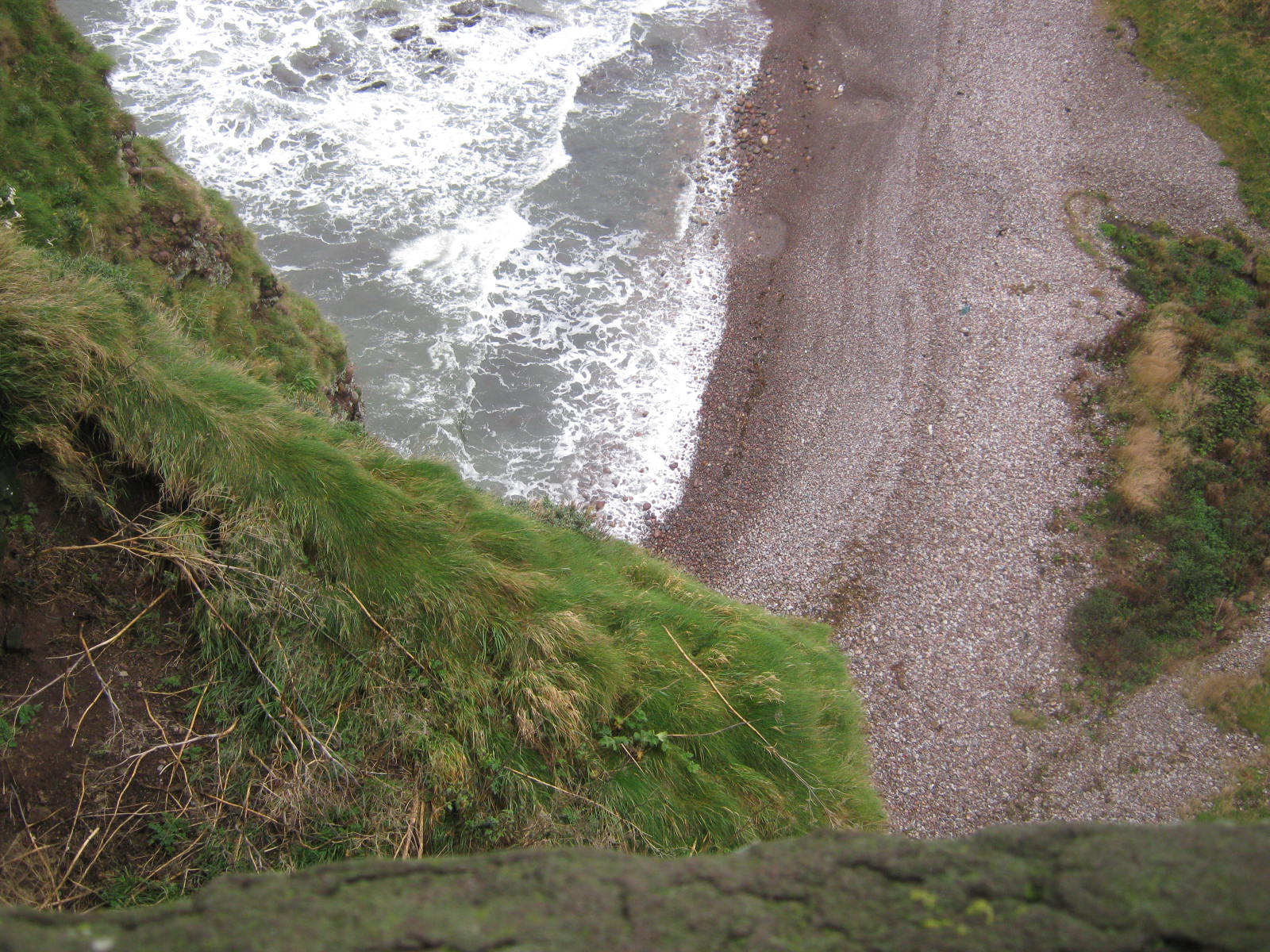
Dunnotar Castle is the first stop, which is only 10 minutes into the journey. Hamish tells us that this one is a ruin. Nailed it! It’s about 1000 years old and has been visited by all the usual suspects: Robert the Bruce, King Charles II, Mary Queen of Scots, Oliver Cromwell and Mel Gibson. It is wild, windswept and spectacular. We walk down 180 steps to get to the bluff on which it stands. The coastal views are stunning, though it pays not to look down unless you have a good head for heights. There is much to explore here, including one (Drawing) room that has been restored, and we spend over an hour exploring.


Our second castle is Crathes Castle. It’s very pretty and doesn’t stir the imagination like Dunnotar. It’s 16th century, so not that old. Hamish is happy to run through the autumn leaves and Rod equally as happy to get a coffee. He thinks it’s a ruin; it can be confusing at times. You be the judge.


We decide not to stop at Drum Castle (our third), but I get pics on the way past for comparison at a later date. We are confused by a large nursery which has been built to look like a castle, but find the actual castle 750m down a single lane track. Again, beautiful grounds – how does one afford to keep a castle? Drum’s oldest section is 13th century; a gift by Robert the Bruce to the family who have pretty much lived there since.

Castle Fraser (15th Century) is the next on the list and we get out and walk around. It’s lovely (again). There’s a cool park for kids and we also make use of the toilets. From what I gather, for some time the Laird was Elyza Fraser. She and her ‘companion’ Mary Bristow designed the gardens and travelled Europe together.
Tolquhon Castle is a ruin and Hamish spots this like a pro. However, it is only open during summer. It’s a quick stop. It’s starting to get dark and we are still a good 40 minutes from the coast. We decide forgo our visit to two other castles in an attempt to get to Duff House (our last castle) before it closes.
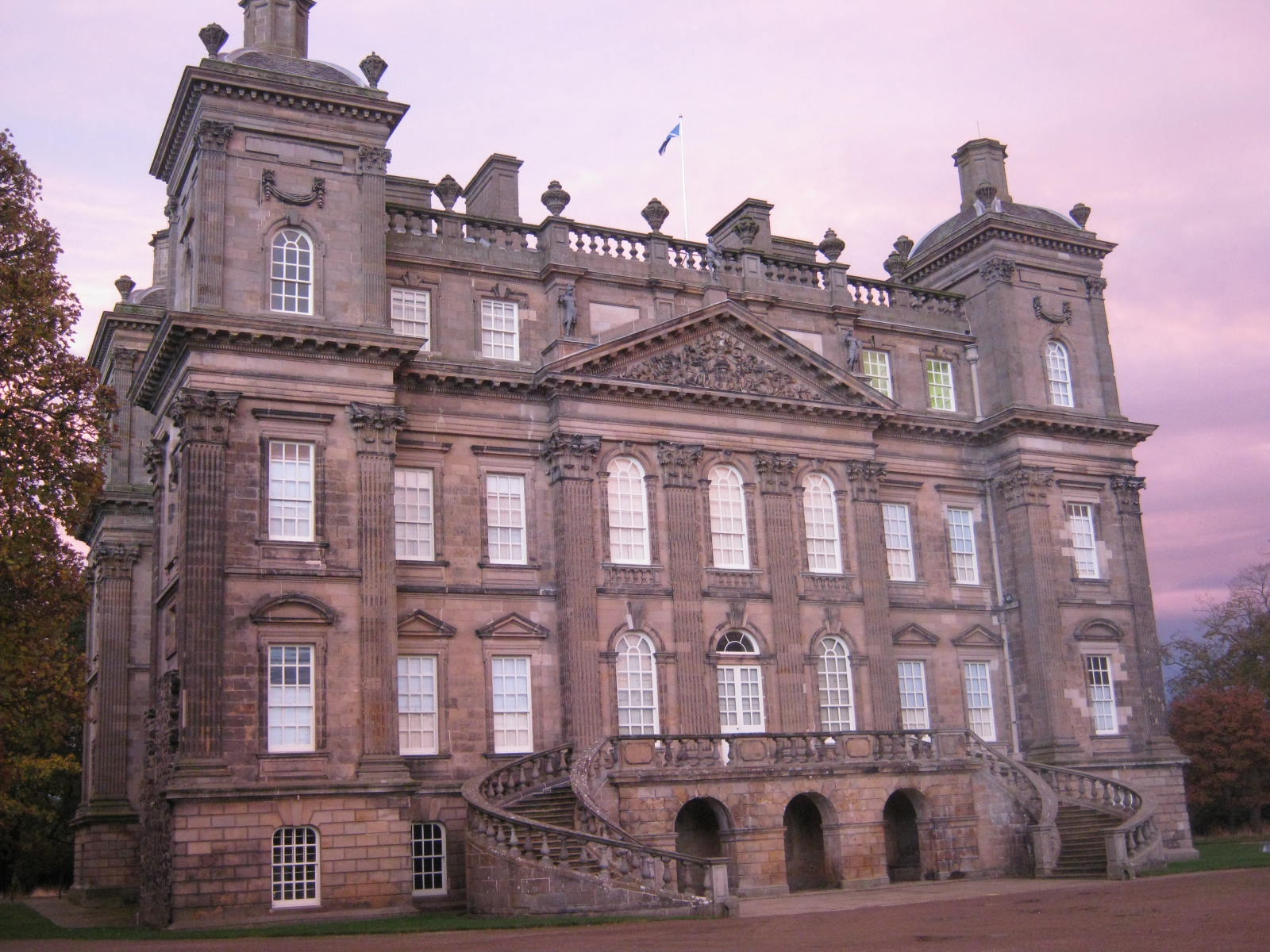
Duff House is indeed shut when we arrive just after 4pm. It is no ruin; it is a beautiful Georgian mansion and it looks like a painting. We walk around it and have a play in yet another cool park next door.
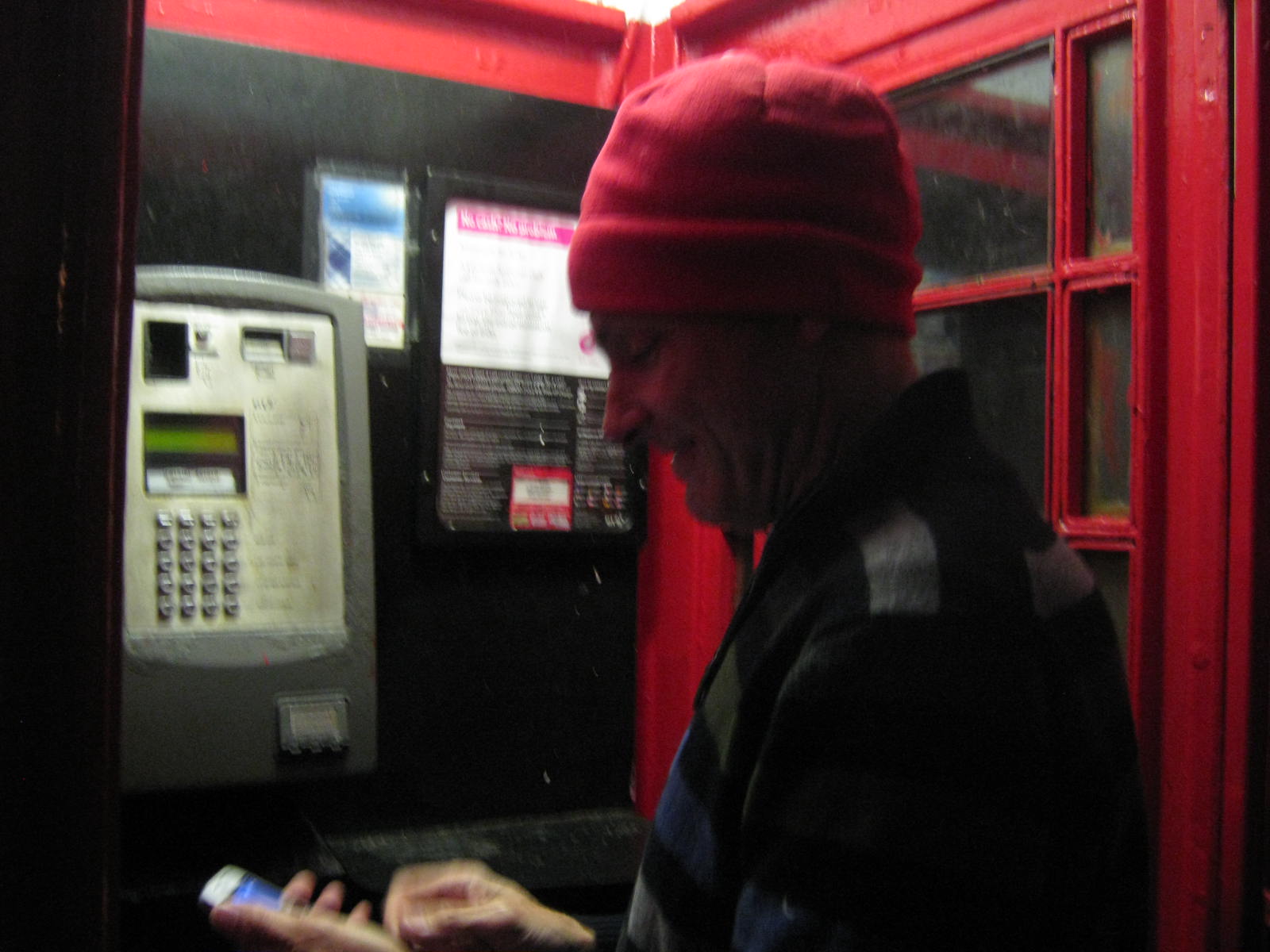
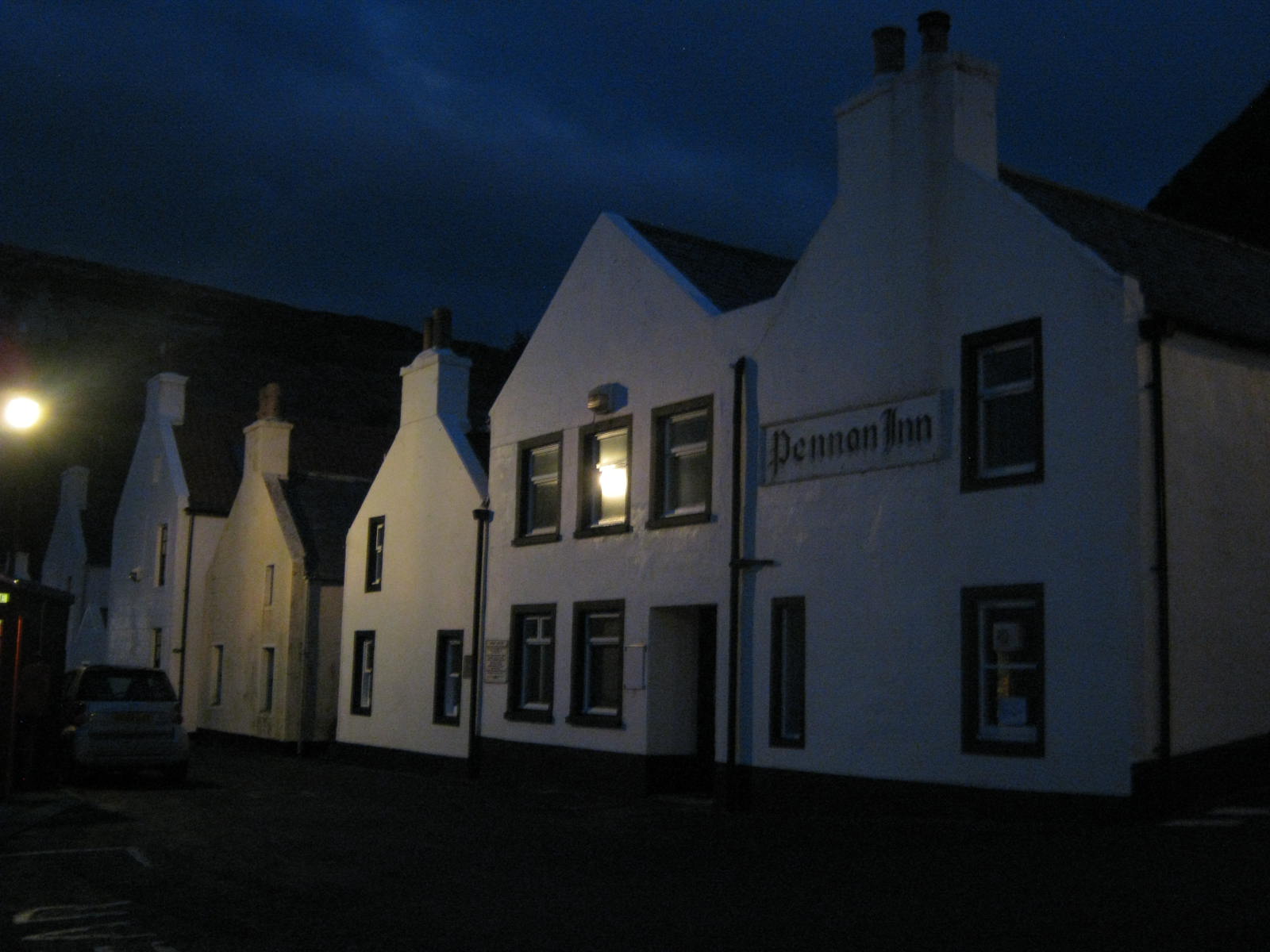
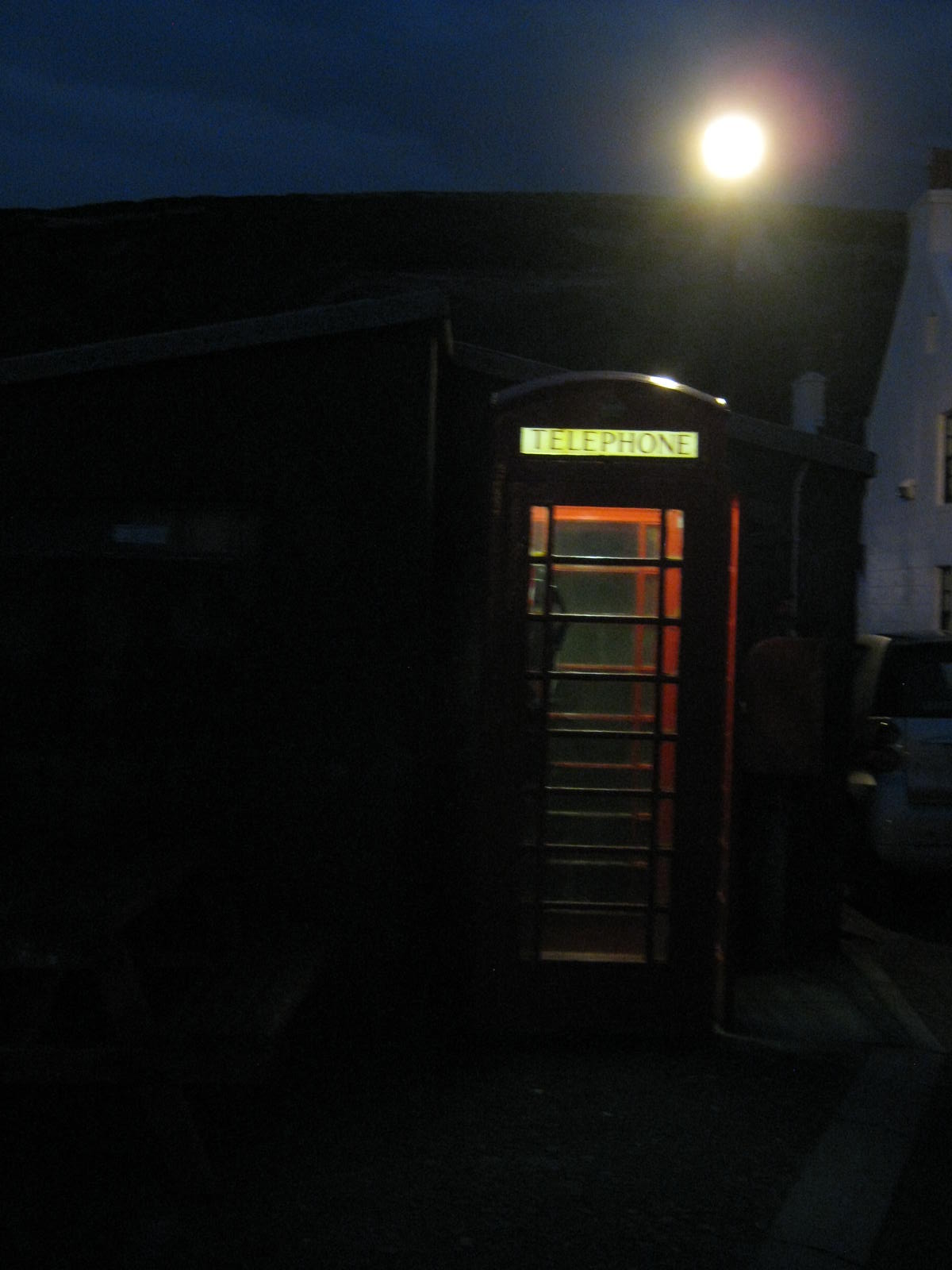
Before we begin our journey south back to Gourdon, we have one more destination to reach. The small seaside village of Penan (pronounced, Pee-nan). This tiny fishing village was the setting for many of the scenes of Rod’s favourite movie ‘Local Hero’. It’s a steep, narrow decent in the dark to the village, which is no more than one row of houses on the coast and one street. Like many tourists before him, Rod is keen to make a phone call from the iconic pay phone which featured in the film. Alas, there is no + button on the payphone, nor is there any mobile signal. The whole scene is actually quite spooky after the nervous descent to the village, to be fair, the road does seem less frightening as we head back up the hill.

We begin our longish trip back to Gourdon after fuelling up the car and ourselves. Hamish has been a trooper all day and proves that you can take your children travelling.
 111daysineurope