
Two weeks ago, Brad (Rod’s older brother) messaged us and asked if we were travelling in the direction of Calais. Thomas Appleby Dunbar, their Great Grandfather (and Hamish’s GG Grandfather) on their father’s side, is buried at Bois-de-Noulette, at a British War Cemetery. We looked this up and worked out we could definitely include this in our travels, as we leave from Calais to the UK on Friday October 23. It so happens, the day Brad messaged us marked the 99th anniversary of Tom Dunbar’s death.
Today we left Ballencourt with our final destination of Boulonge sur mer. It is a trip of about 250km, but we added a few sentimental stops along the way.
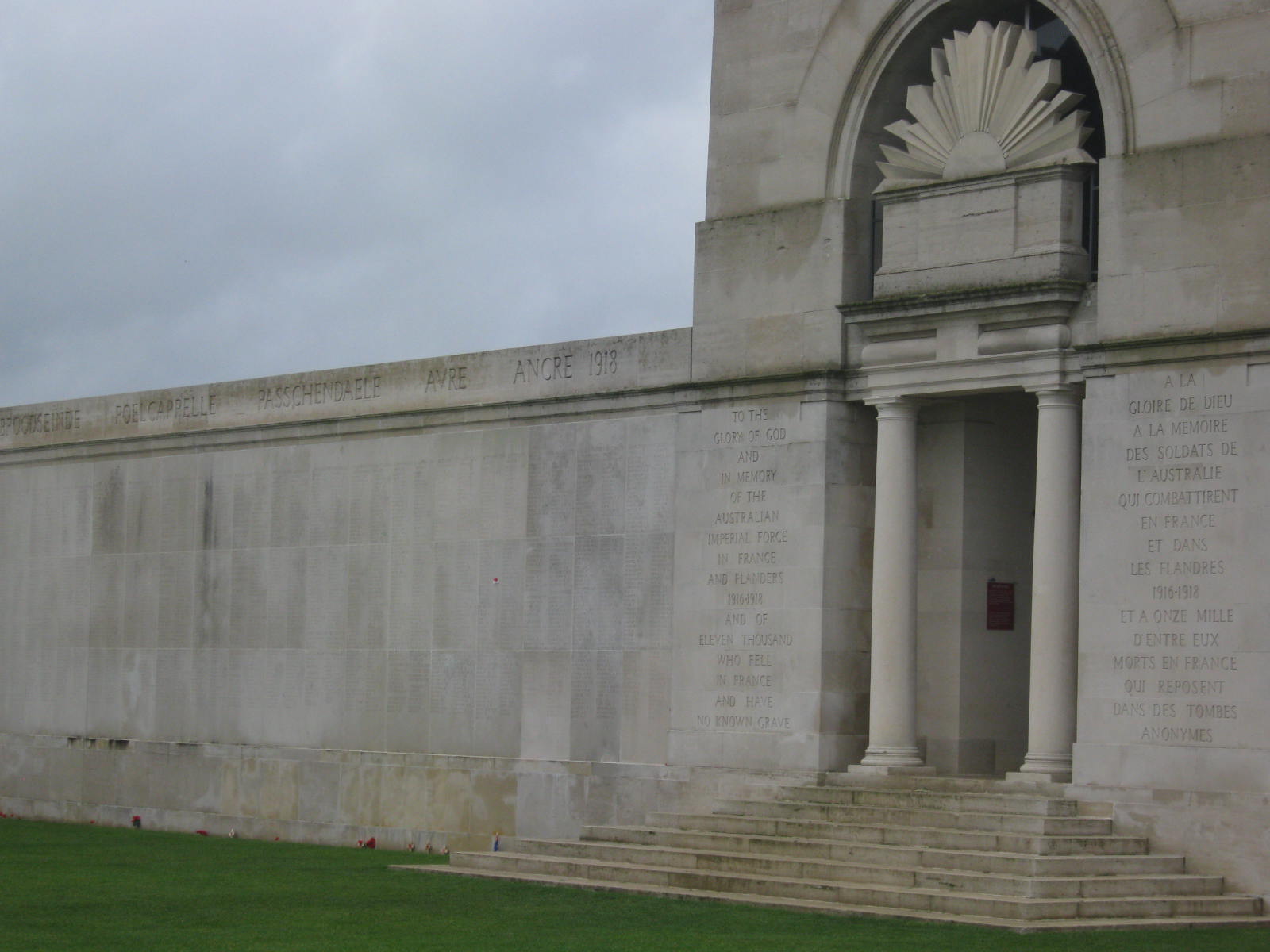
Once we dealt with the Paris traffic, we were well on our way to the first destination of Villers-Bretoneux. This is an outstanding tribute to the many soldiers who lost their lives during two major battles which occurred 24/25 April 1918 (Viller-Bretoneux) and 10/11/12 August 1918 (Amiens). It is a beautifully kept memorial site and one which displays the names of all 11 000 Australian soldiers who lost their lives in France and have no known grave. Two of my father’s relatives have their names here: Charles Witt and Monty Primmer. It is a sobering sight to behold.
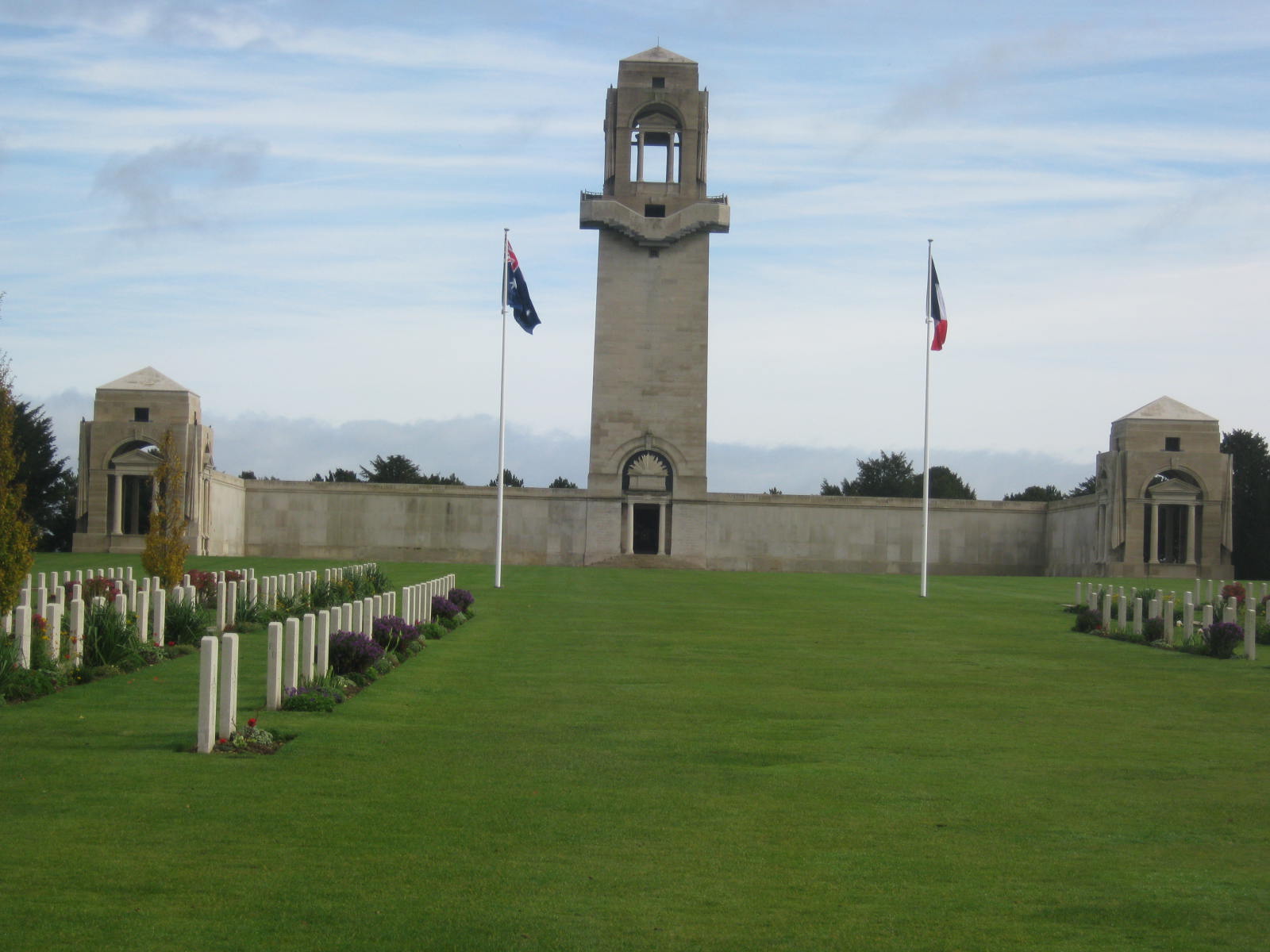
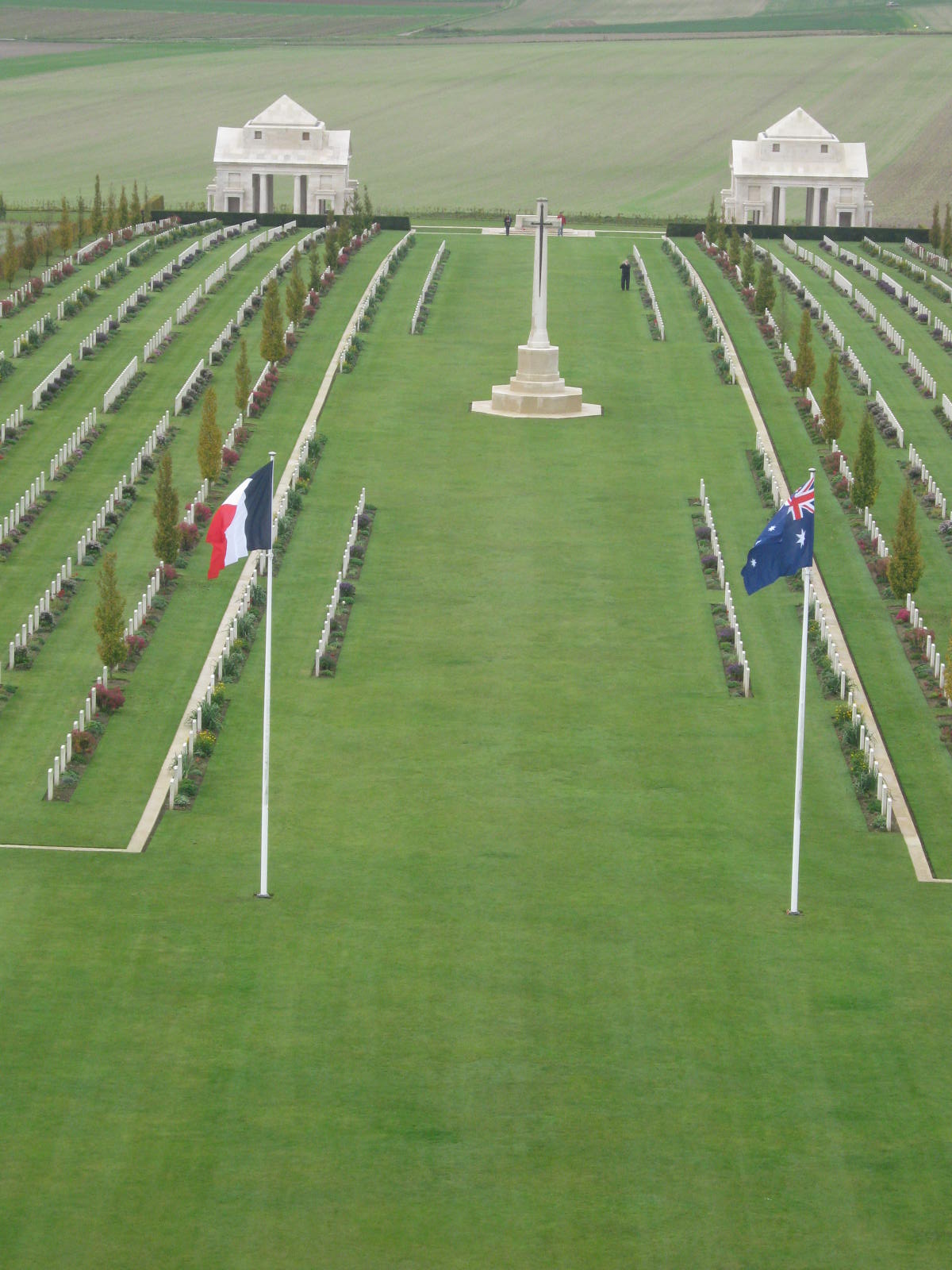
The town of Villers-Bretoneux honours Australians each year by celebrating ANZAC Day. Classrooms have ‘Never forget Australia’ on their walls and there are some oddly, out of place Australian bits and pieces; pictures of kangaroos, statues of children hugging kangaroos, the Victoria Hotel. There is also a French/Australian museum there, but it was in a state of dis-repair when we passed through today.

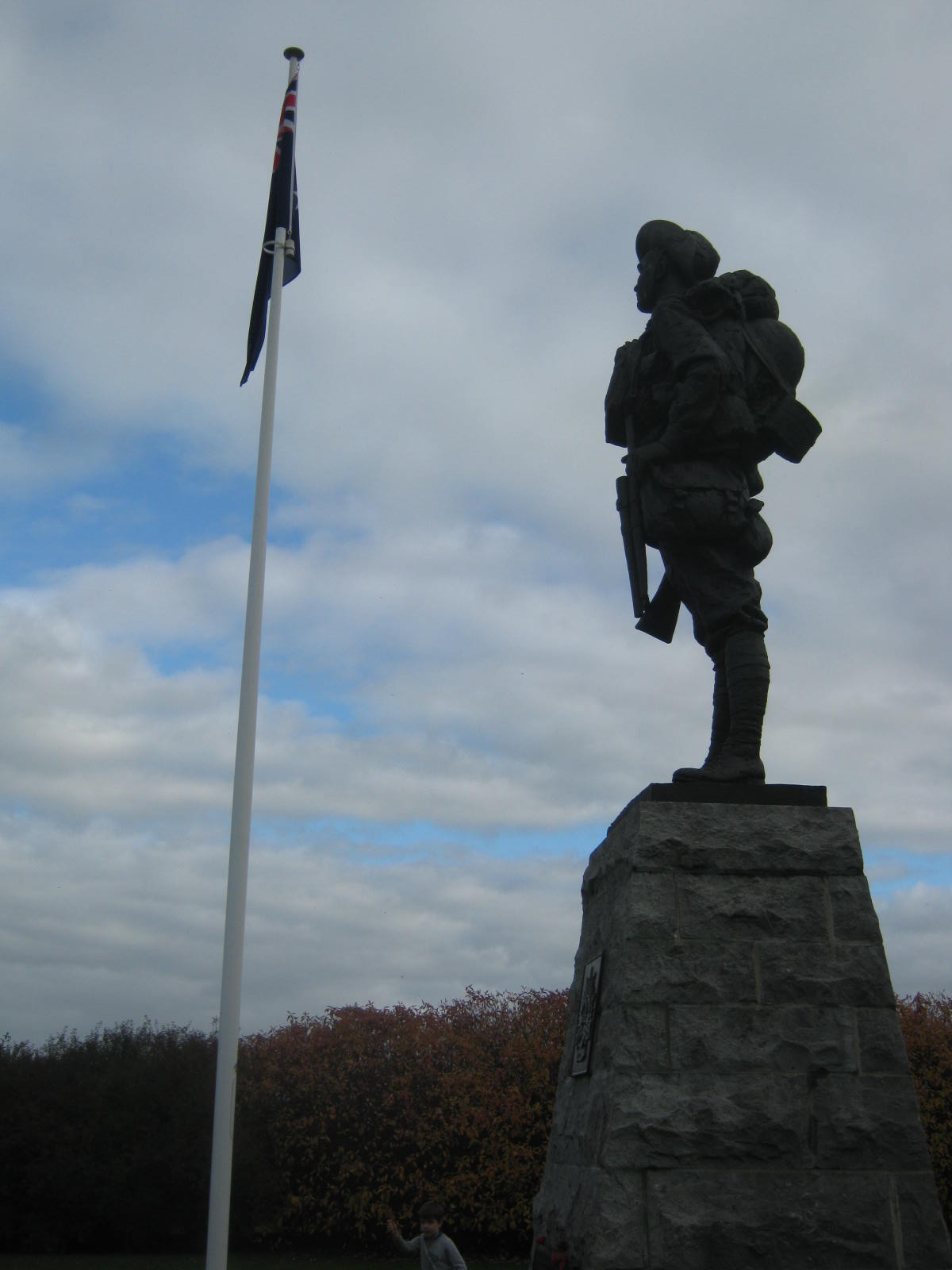
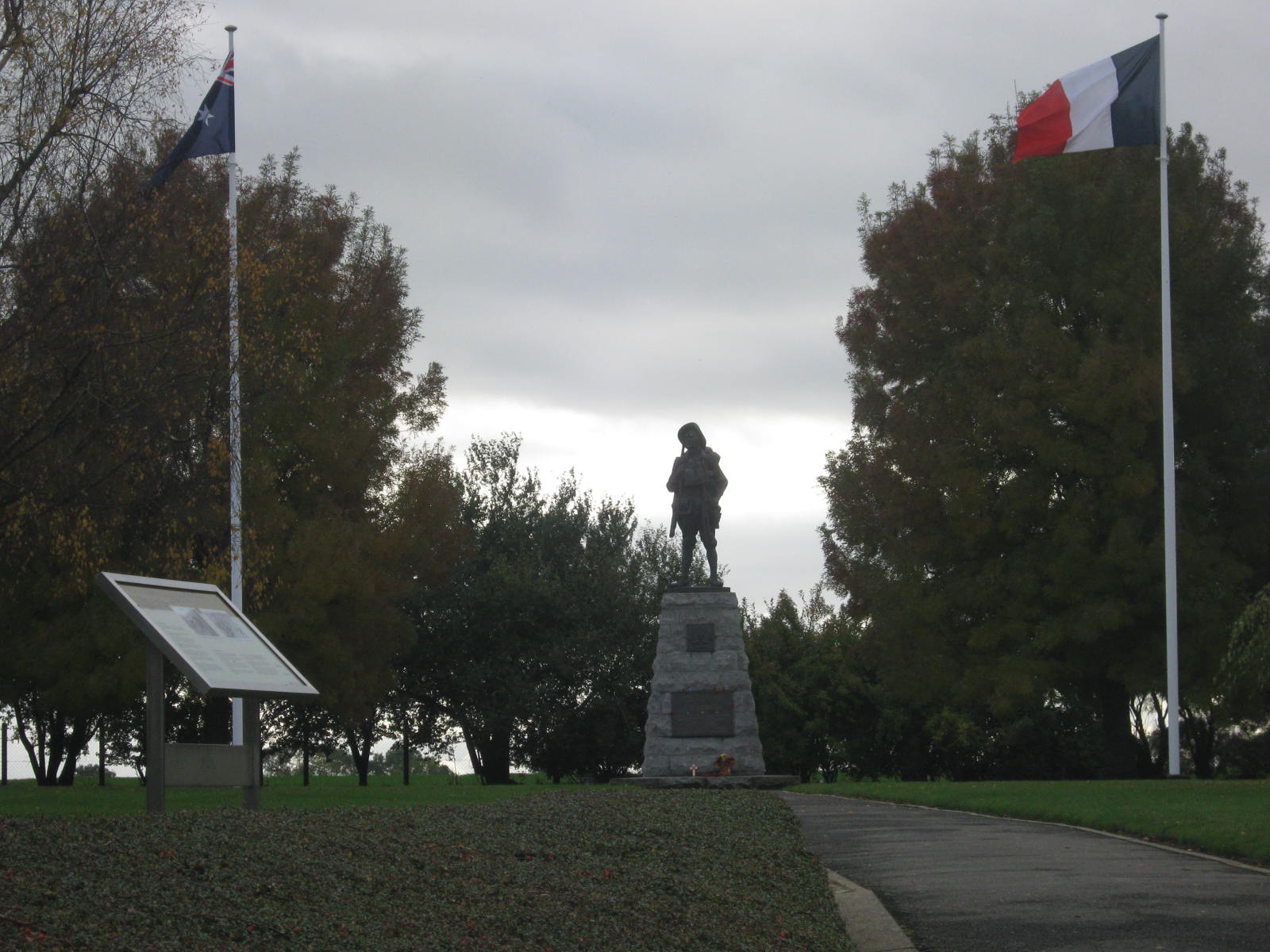
Our second stop was the Australian memorial at Bullecourt, which was about 40 minutes NE of V-B. Here stands a very fine statue of an Australian Digger on the site where many Australian servicemen lost their lives going over the top. The site was also beautifully kept and a peaceful place, overlooking ploughed paddocks and fields. Two weeks of fighting and 2250 dead Allies, saw little advancement of the total war effort for either side; such a waste. Again, there is an Australian museum in Bullecourt, but we could not find it and were keen to get going to our final destination.
Past the town of Arras, is a little village called Noulette. South of Noulette is the British War Cemetery of Bois-de-Noulette. It was well signed, which was promising. I mean, if you haven’t been here, these villages are tiny, and with our track record, who knew where we were going to end up. A simple google search tells us that Tom was a silver buffer as a civilian; he landed in France December 18, 1915. We put the car into ‘mud’ mode and drove the 1200m down a very muddy, slippery track, Rod muttering his favourite saying “…surely not…”. However, out of the mud is a tiny patch of manicured lawn, with flowers planted at every headstone.
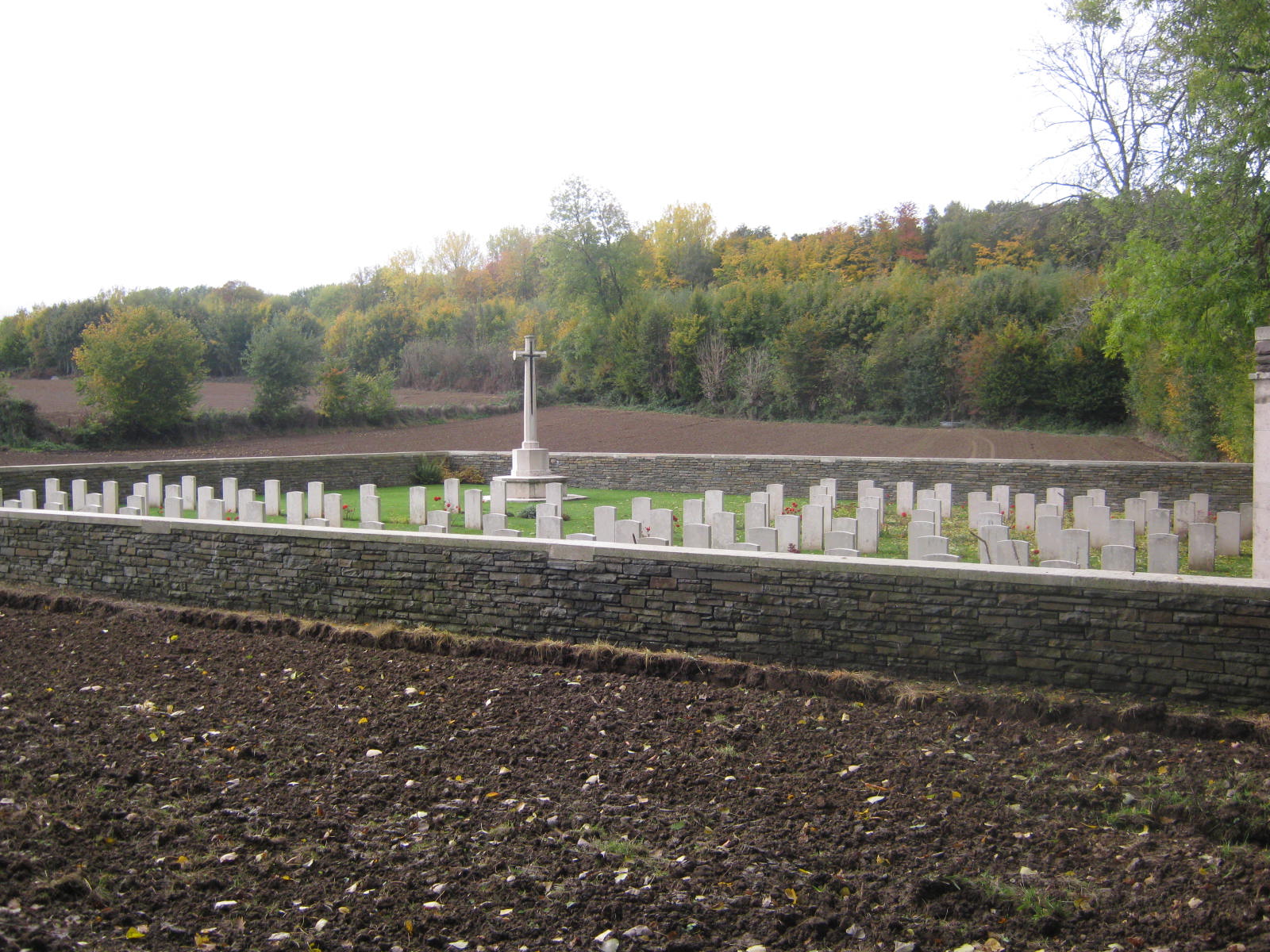
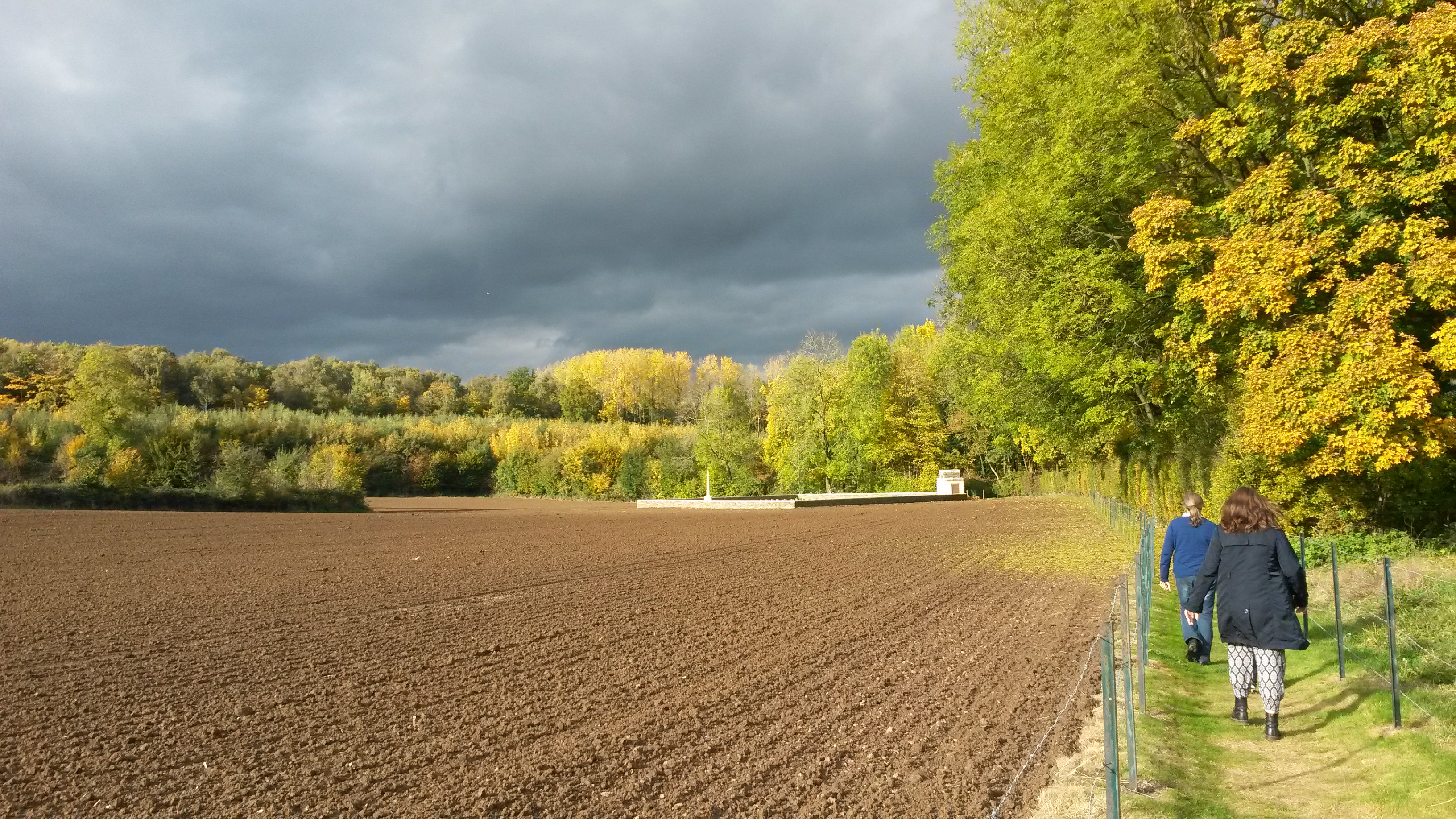
It is a small grave site and even without Tom’s row and number, we would have found him easily. Hamish ran around and played, as children should and us grown-ups walked the rows and wondered about these brave, mostly, boys who has lost their lives on foreign soil. One boy was only 17.


After signing the visitor book, we headed back through the mud to our car and made our way to our current seaside destination of Boulonge sur mer. Hamish asked Rod many questions about Tom; did he know him, what did he look like, was Rod alive when Tom was alive. Rod said no to all of these. Hamish suggested Rod look him up on Facebook.

Our B and B is resplendent; it has the biggest bathroom we have even seen. Heading to the UK tomorrow.

 111daysineurope